Roller Shutter Slat Materials and Coatings Explained
Prepainted steel, aluminum or stainless roller shutter slats? Thicknesses, GI/GL/AM metallic coatings and PE/HDP/PVDF finishes compared with CUBIXY data.
Published By CUBIXY
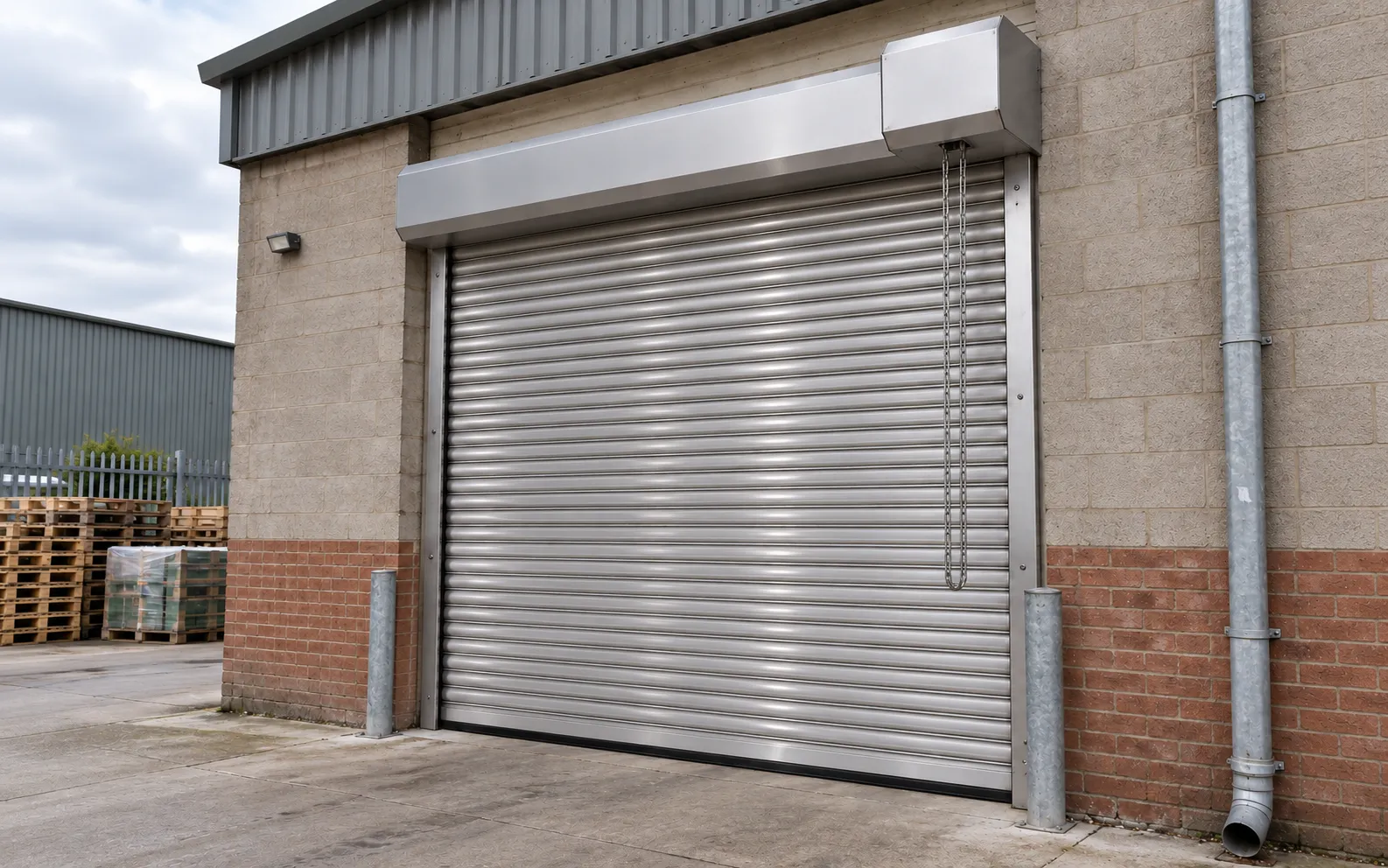
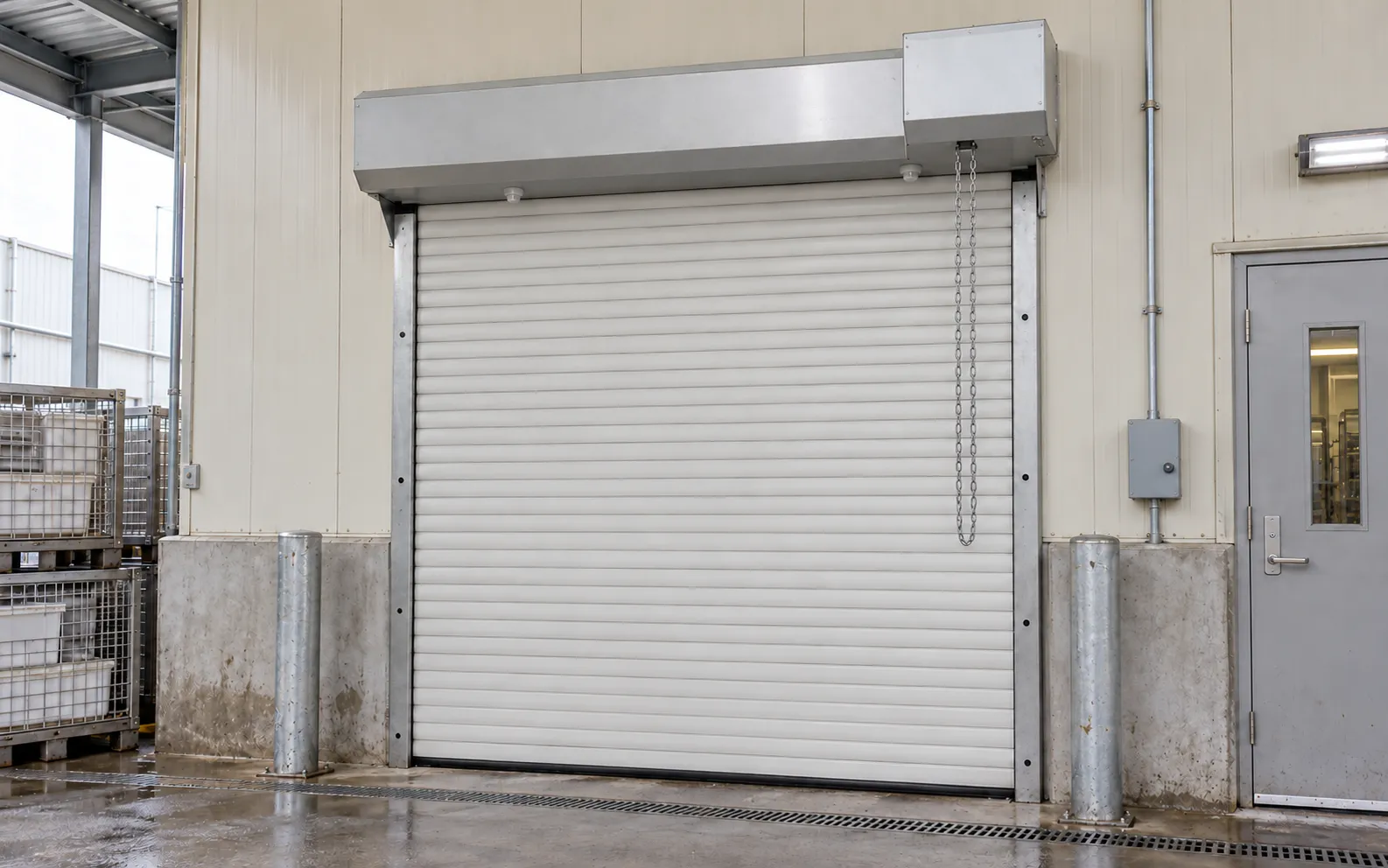
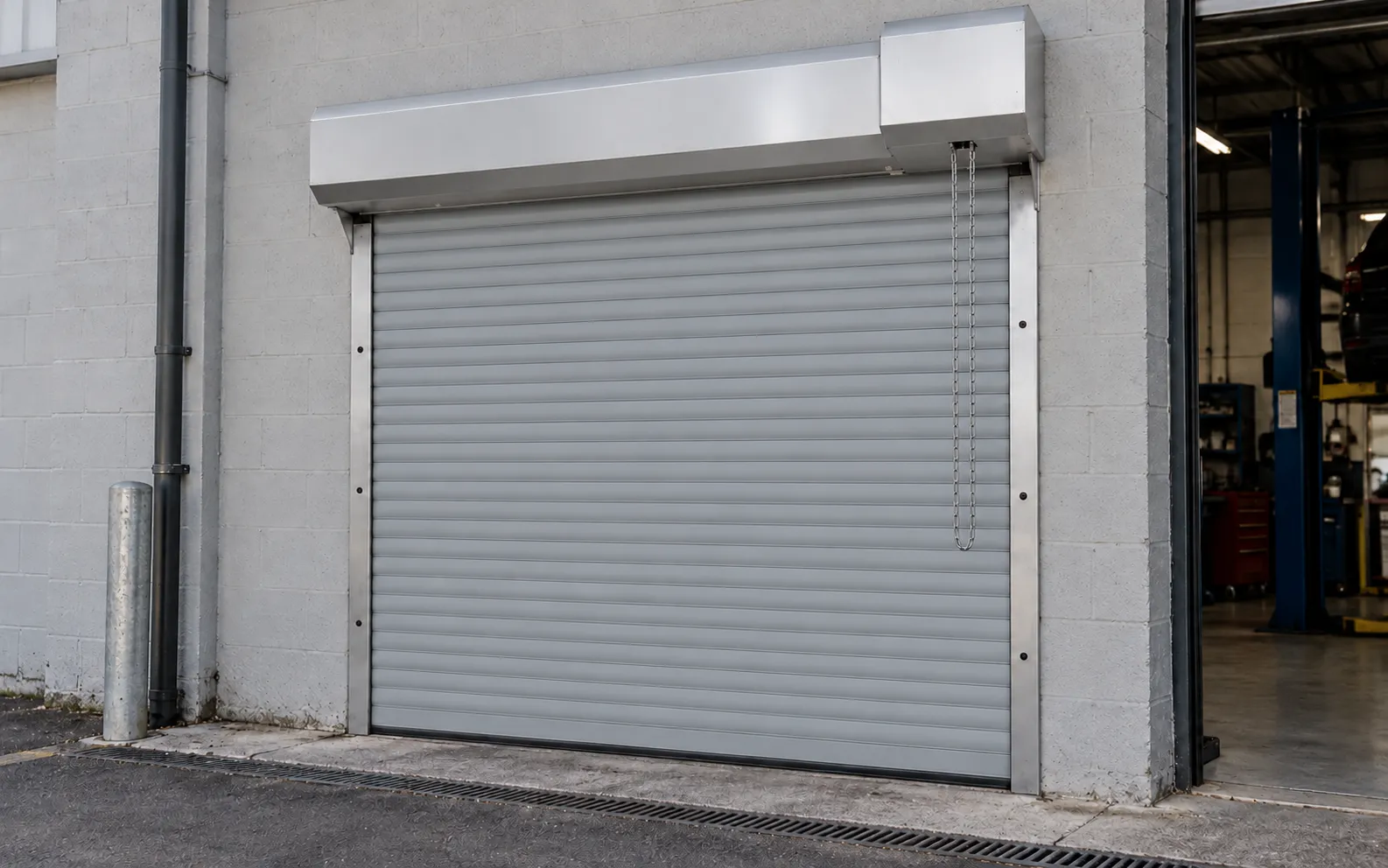
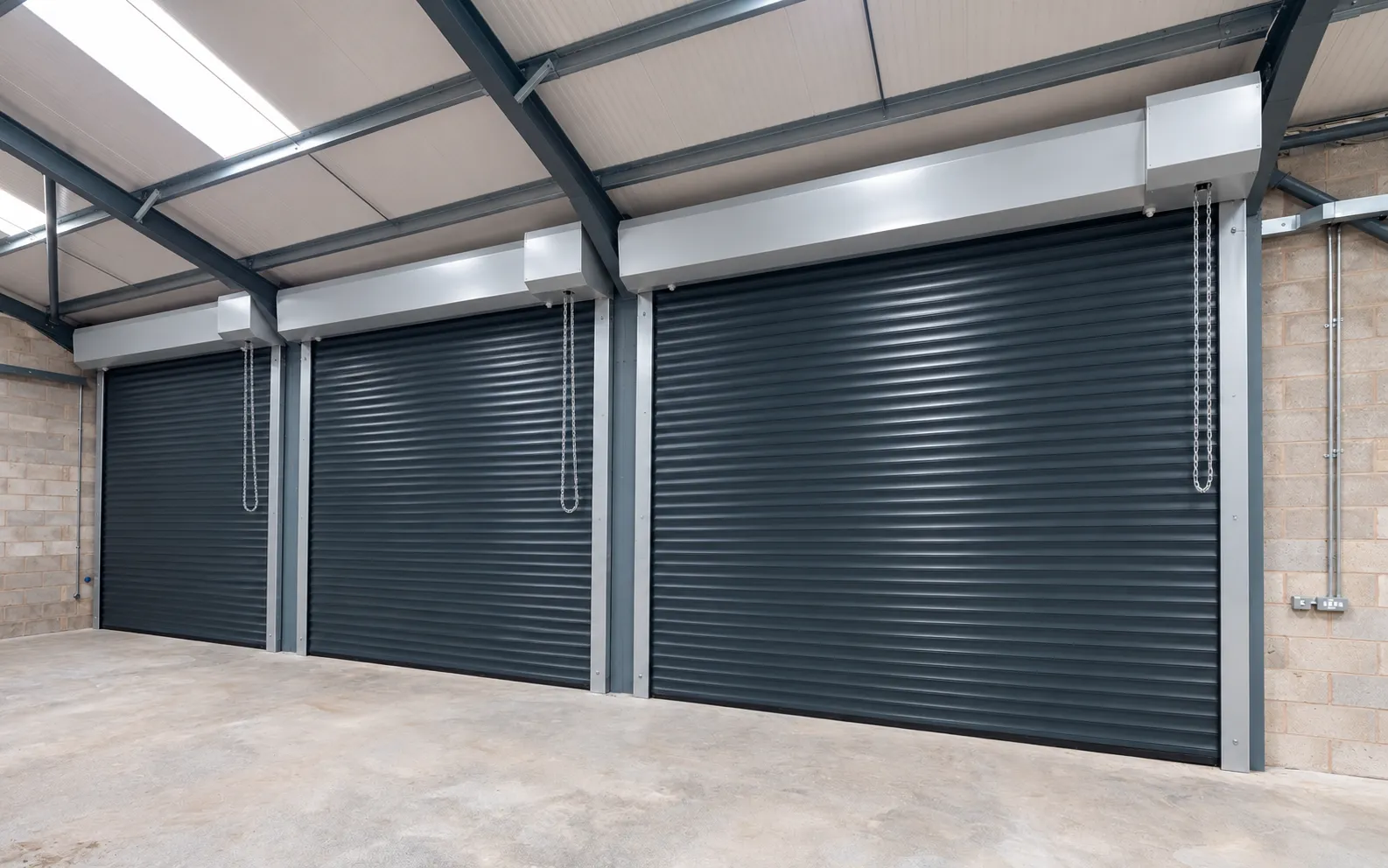
The CUBIXY wind-resistant roller shutter offers curtain slats in three materials: prepainted steel, aluminum alloy and 304/316 stainless steel. On prepainted steel, the metallic coating (GI, GL or AM), the primer and the finish coating (PE, HDP or PVDF) together decide corrosion and weather resistance. This guide explains the slat options of the CUBIXY Wind-Resistant Roller Shutter Door and the layers of its prepainted steel coating system, with the values from the CUBIXY catalogue.
Slat families and thicknesses
On the wind-resistant roller shutter, PPS, AAD and SSS slats are listed without a filling; PDI, ADI and SDI slats are listed with PU foam.
| Material | Slat | Thickness |
|---|---|---|
| Prepainted steel | PPS 75 | 0.8 / 1.0 / 1.2 mm |
| Prepainted steel | PPS 100 | 1.0 / 1.2 / 1.5 mm |
| Prepainted steel + PU foam | PDI 85 | 0.3 / 0.4 mm |
| Prepainted steel + PU foam | PDI 98 | 0.3 / 0.4 / 0.5 mm |
| Aluminum alloy | AAD 83 | 0.6 mm |
| Aluminum alloy | AAD 100 | 0.8 / 1.0 / 1.2 mm |
| Aluminum alloy | AAD 120 | 1.2 / 1.4 mm |
| Aluminum alloy | AAD 140 | 1.5 mm |
| Aluminum alloy + PU foam | ADI 83 | 0.6 mm |
| Aluminum alloy + PU foam | ADI 100 | 0.8 / 1.0 / 1.2 mm |
| Aluminum alloy + PU foam | ADI 120 | 1.2 / 1.4 mm |
| Aluminum alloy + PU foam | ADI 140 | 1.5 mm |
| Stainless steel (304/316) | SSS 75 | 0.8 / 1.0 / 1.2 mm |
| Stainless steel (304/316) | SSS 100 | 1.0 / 1.2 / 1.5 mm |
| Stainless steel (304/316) + PU | SDI 85 | 0.3 / 0.4 mm |
| Stainless steel (304/316) + PU | SDI 98 | 0.4 / 0.5 mm |
The wind-resistant shutter's slats use a large-radius profile and wind-lock clips to improve wind resistance; the complete door is designed for a wind load of 0.7–1.6 kPa and has a thermal transmittance of 1.6–6.0 W/(m²·K). Guide rails are available in 1.5, 2.0 and 3.0 mm galvanized or stainless steel.
How prepainted steel is built up
CUBIXY's prepainted steel is a cold-rolled steel substrate with four functional layers on top:
- Metallic coating: basic corrosion resistance and barrier protection.
- Chemical conversion coating: improves adhesion between the metallic coating and the paint system.
- Primer: further improves adhesion and corrosion resistance.
- Finish coating: chosen for color, formability, weather resistance and durability.
Together these layers keep the strength and formability of the steel while improving protection against moisture, UV exposure and industrial environments.
Metallic coating: GI, GL or AM
| Type | Zn | Al | Si | Mg | Coating mass (g/m²) | Corrosion resistance | Cut-edge self-healing |
|---|---|---|---|---|---|---|---|
| GI | 99.7% | 0.3% | / | / | 80/120/180/220/280 | Standard | No |
| GL | 43.5% | 55.0% | 1.5% | / | 100/150/180/220/280 | Enhanced | No |
| AM | 41.5% | 55.0% | 1.5% | 2.0% | 100/150/180/220/280 | Optimum | Yes |
- GI (zinc) offers reliable protection, good formability and cost efficiency for general indoor and outdoor use.
- GL (aluminum-zinc) gives higher corrosion resistance for building exteriors and prolonged outdoor exposure.
- AM (aluminum-zinc-magnesium) has the strongest corrosion resistance and cut-edge protection of the three listed coatings, for coastal, humid, salt-laden and demanding industrial environments.
Primer: polyester, epoxy or polyurethane
All three primers are 5–7 µm thick and adhere well to the substrate; they differ in flexibility, resistance and cost.
| Primer | Corrosion | Moisture | Alkali | Chemical | Formability | Durability |
|---|---|---|---|---|---|---|
| Polyester | Enhanced | Standard | Standard | Standard | Optimum | Enhanced |
| Epoxy | Optimum | Optimum | Optimum | Optimum | Standard | Optimum |
| Polyurethane | Optimum | Optimum | Enhanced | Optimum | Optimum | Optimum |
Polyester suits forming; epoxy has strong resistance to moisture, alkalis and chemicals but lower flexibility; polyurethane combines resistance, durability and flexibility at a higher cost and with tighter process control.
Finish coating: PE, HDP or PVDF
| Finish | Thickness (µm) | Neutral salt spray (h) | Ageing UVA-340 (h) | Ageing UVB-313 (h) |
|---|---|---|---|---|
| PE | ≥20 | ≥1000 | ≥600 | ≥400 |
| HDP | ≥22 | ≥1500 | ≥960 | ≥600 |
| PVDF | ≥23 | ≥2000 | ≥1800 | ≥1000 |
PE offers a wide color range, good flexibility and low cost for general applications. HDP markedly improves color retention, UV and chalking resistance over PE while staying cost-effective. PVDF gives the highest long-term weatherability, solvent and dirt resistance, with a limited color range and higher cost.
Corrosion resistance
The catalogue gives a corrosion resistance of 10–30 years for the wind-resistant roller shutter. Actual performance depends on the slat material, coating and site conditions, and this figure is not a warranty period. Send your site conditions and we will recommend a slat and coating.
Frequently Asked Questions
- What is the difference between PPS and PDI roller shutter slats?
- On the CUBIXY wind-resistant roller shutter, PPS slats are prepainted steel listed without a filling (PPS 75: 0.8/1.0/1.2 mm; PPS 100: 1.0/1.2/1.5 mm), while PDI slats are prepainted steel filled with PU foam (PDI 85: 0.3/0.4 mm; PDI 98: 0.3/0.4/0.5 mm).
- Which metallic coating is best for coastal sites?
- The CUBIXY catalogue describes AM (aluminum-zinc-magnesium: 41.5% Zn, 55.0% Al, 1.5% Si, 2.0% Mg) as having the strongest corrosion resistance and cut-edge protection of the listed coatings, with additional protection in coastal, humid, salt-laden and demanding industrial environments.
- How do PE, HDP and PVDF finishes compare in salt spray resistance?
- In the CUBIXY coating data, neutral salt spray resistance is at least 1,000 hours for PE, 1,500 hours for HDP and 2,000 hours for PVDF.
- Which stainless steel grades are available for roller shutter slats?
- The CUBIXY wind-resistant roller shutter offers stainless steel slats in 304 or 316: SSS 75 and SSS 100 slats listed without a filling, and SDI 85 and SDI 98 slats filled with PU.